
This original, AI-assisted editorial assessment is based on published documentation and buying trade-offs. We have not handled or tested a review unit. Verified refers to the source check, not measured performance. Methodology · Affiliate disclosure
Pros
- Open-fit shape suits some listeners
- Compact case can simplify carrying
- Published model information helps identify the generation
Cons
- Old batteries are a substantial uncertainty
- Fixed ear shape cannot suit everyone
- Open fit offers little passive isolation
A familiar shape is not enough evidence
The original AirPods introduced a recognizable wireless format, but a present-day purchase is mainly a decision about the particular pair being offered. Its age, condition, and seller support matter more than its reputation at launch. A clean case and an attractive price do not establish how reliably either earbud will charge or how much useful listening time remains.
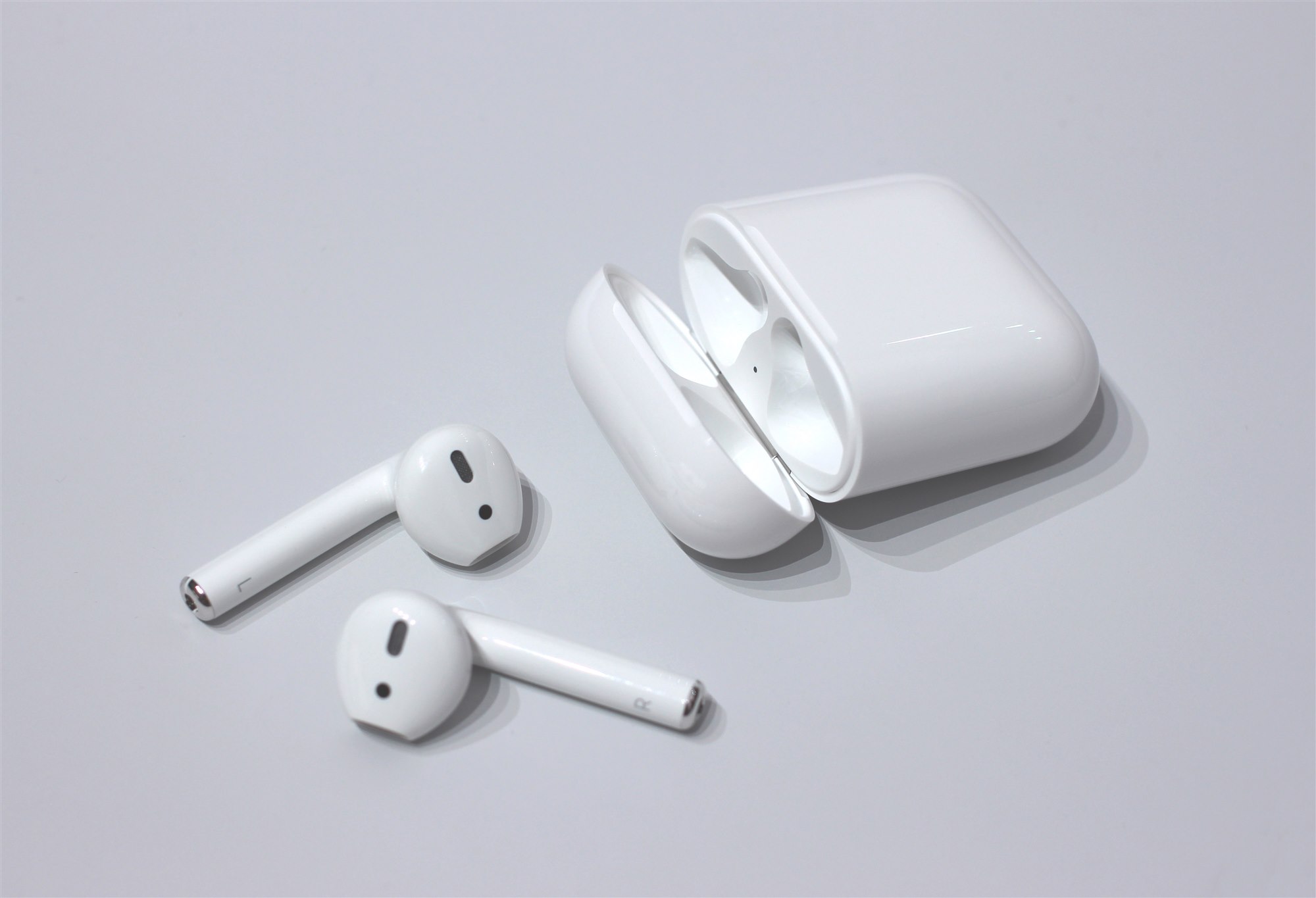
This review concerns the first generation, rather than later standard AirPods or the Pro line. Similar-looking cases and earbuds make the exact identity worth checking. Compare the model information against Apple’s documentation and ask the seller to identify the complete set, including any replacement component.
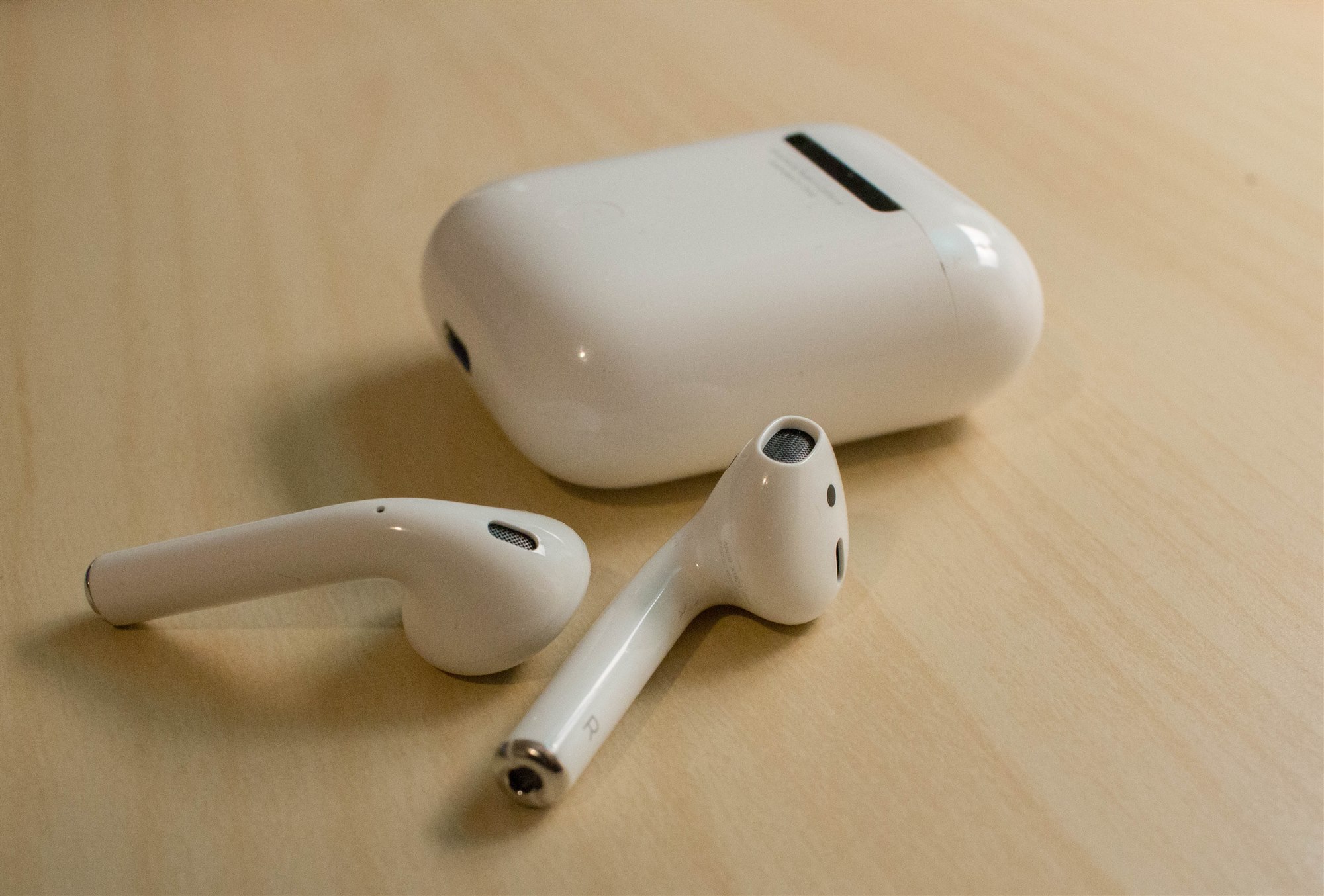
AirPods (2).jpg — LWYang from USA · CC BY 2.0. Proportional display; no substantive edits.
Open fit is a personal preference
The fixed shape avoids the silicone-tip approach used by many in-ear products. That can be comfortable for some people and insecure for others. If you have not used this shape before, a return policy is more meaningful than a general claim that it fits most ears. Try it while walking and during the tasks that matter to you.
An open fit also changes the listening context. Do not buy this format expecting the isolation of a sealed earbud. Think about whether you want to remain aware of a quiet room or need to reduce distraction during travel. We have not tested sound, microphone quality, or fit, so those points remain personal checks rather than measured conclusions.
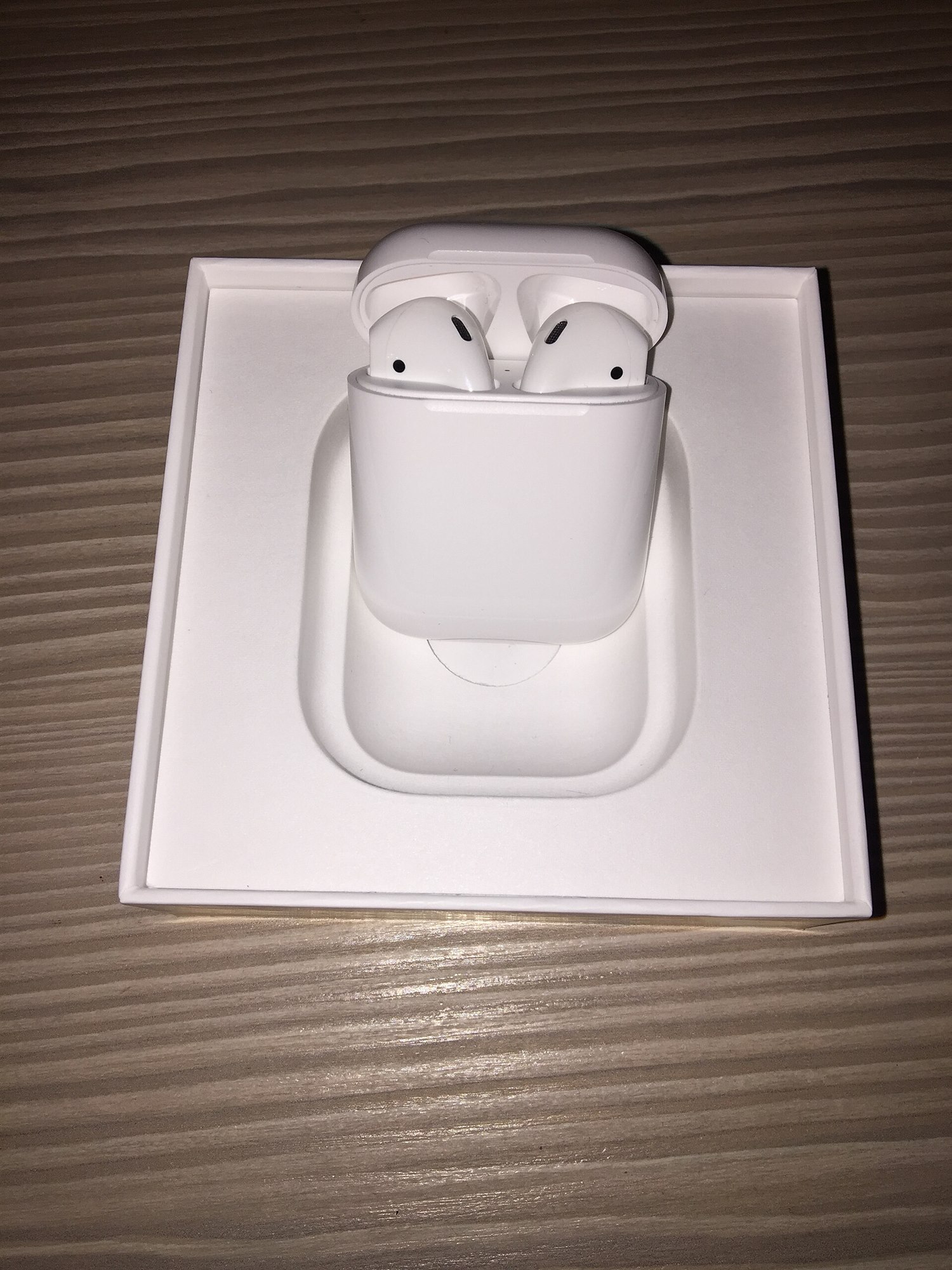
Բացված էյրփոդի տուփ.jpg — Marat.Hakobjanyan · CC BY-SA 4.0. Proportional display; no substantive edits.
Battery history dominates the value
Small wireless earbuds combine batteries and charging contacts in components that have often seen years of use. Ask what the seller can demonstrate and what happens if the two earbuds behave differently. A short demonstration of successful pairing is not the same as a normal listening session with reliable charging afterward.
Inspect cleanliness, the case hinge, and the charging surfaces. Confirm that the previous owner has completed the appropriate reset and account steps, and keep the receipt. Be cautious about listings that rely on a model name without a traceable history. If the price is close to a newer alternative with meaningful support, the older pair needs a stronger reason to be chosen than familiarity alone.
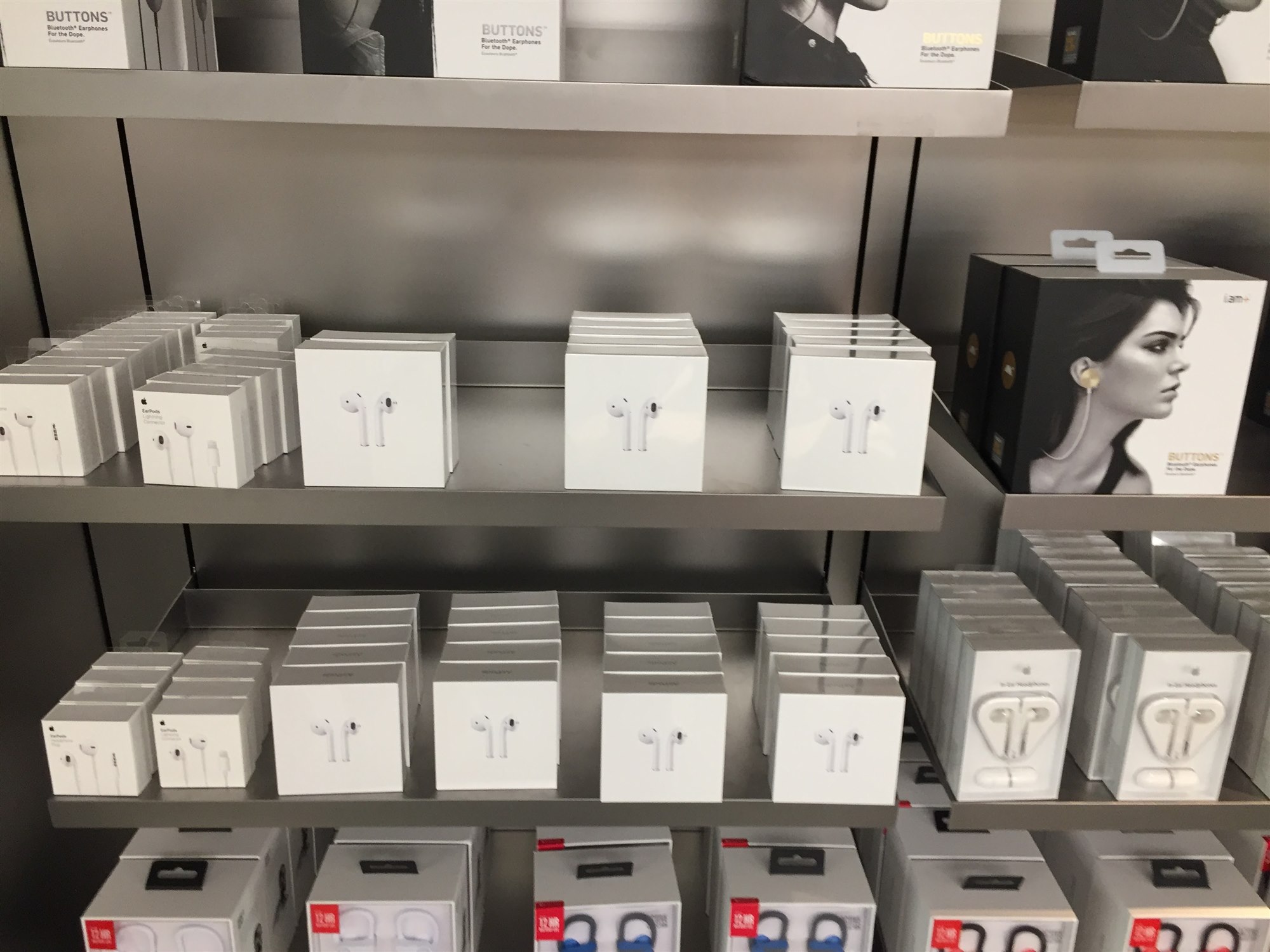
Apple-Shanghai-iapm-Earphones.jpg — Jianhui Gong · CC BY-SA 4.0. Proportional display; no substantive edits.
Who should buy
Original AirPods may suit someone who already knows this open-fit design is comfortable and can obtain a clearly identified pair with credible battery protection and seller support. They are a weak first choice for a buyer seeking isolation or trying to avoid uncertainty. Anyone purchasing for long daily sessions should be particularly careful about a seller who cannot describe battery condition.
Verdict
The first-generation AirPods should be treated as an individual condition purchase. We would put battery behavior, authenticity checks, comfortable fit, and a clear remedy ahead of a large advertised saving. If those conditions are missing, a low price can simply buy a short-lived problem. Choose them only when the particular pair and the open-fit format make sense for your routine.
How to read this assessment
This assessment separates a published feature from an outcome we can actually verify. A specification describes an intended capability; it does not establish the quality of your particular unit, the reliability of a home network, or the comfort of a product during a long session. We have not tested a review sample, so the conclusion card deliberately leaves the overall score and its three components unassigned. This is more useful than giving an apparently precise number without measurements.
Before ordering, write down the three tasks that matter most and check each against the exact model being offered. Include the full ownership cost: essential accessories, replacement parts, power, and any recurring services. Compare products in the same condition with equivalent return protection. Save the listing and inspect the delivered item while you can still return it. A good buying decision should remain sensible when the excitement of a discount has worn off.
We also distinguish the product from the seller. The manufacturer’s documentation cannot verify the authenticity, storage history, or repair quality of a particular listing. Ask for the information that would change your decision and keep a record of the answer. Where that information is unavailable, uncertainty belongs in the conclusion rather than behind a confident badge.
Our recommendation is conditional on those checks. We do not treat availability in a marketplace as evidence of ongoing manufacturer support, and we do not assume that a seller’s use of the word refurbished guarantees a particular service process. Ask for the terms in writing and compare them with the alternatives before committing.
Sources & corrections
AirPods (1st generation) official documentation · consulted November 29, 2026. Specifications belong to the exact generation described. Editorial judgments are ours; no benchmarks or hands-on results are implied.
Found a detail to correct? Contact our editorial desk with the article URL and supporting evidence.