
This original, AI-assisted editorial assessment is based on published documentation and buying trade-offs. We have not handled or tested a review unit. Verified refers to the source check, not measured performance. Methodology · Affiliate disclosure
Pros
- Silicone-tip design offers a more secure fit for some ears
- Noise-control modes add everyday flexibility
- Compact case is easy to carry
Cons
- Battery age is a major risk on older units
- Fit remains personal and cannot be inferred from specifications
- Used stock needs hygiene and authenticity checks
An older earbud is a condition purchase
The original AirPods Pro should be approached differently from a newly released pair of earbuds. On an older unit, the condition of the batteries, the history of the product, and the seller’s support can outweigh the attraction of the design. The central question is not what the earbuds once promised. It is whether the particular pair being sold can still provide reliable everyday use.
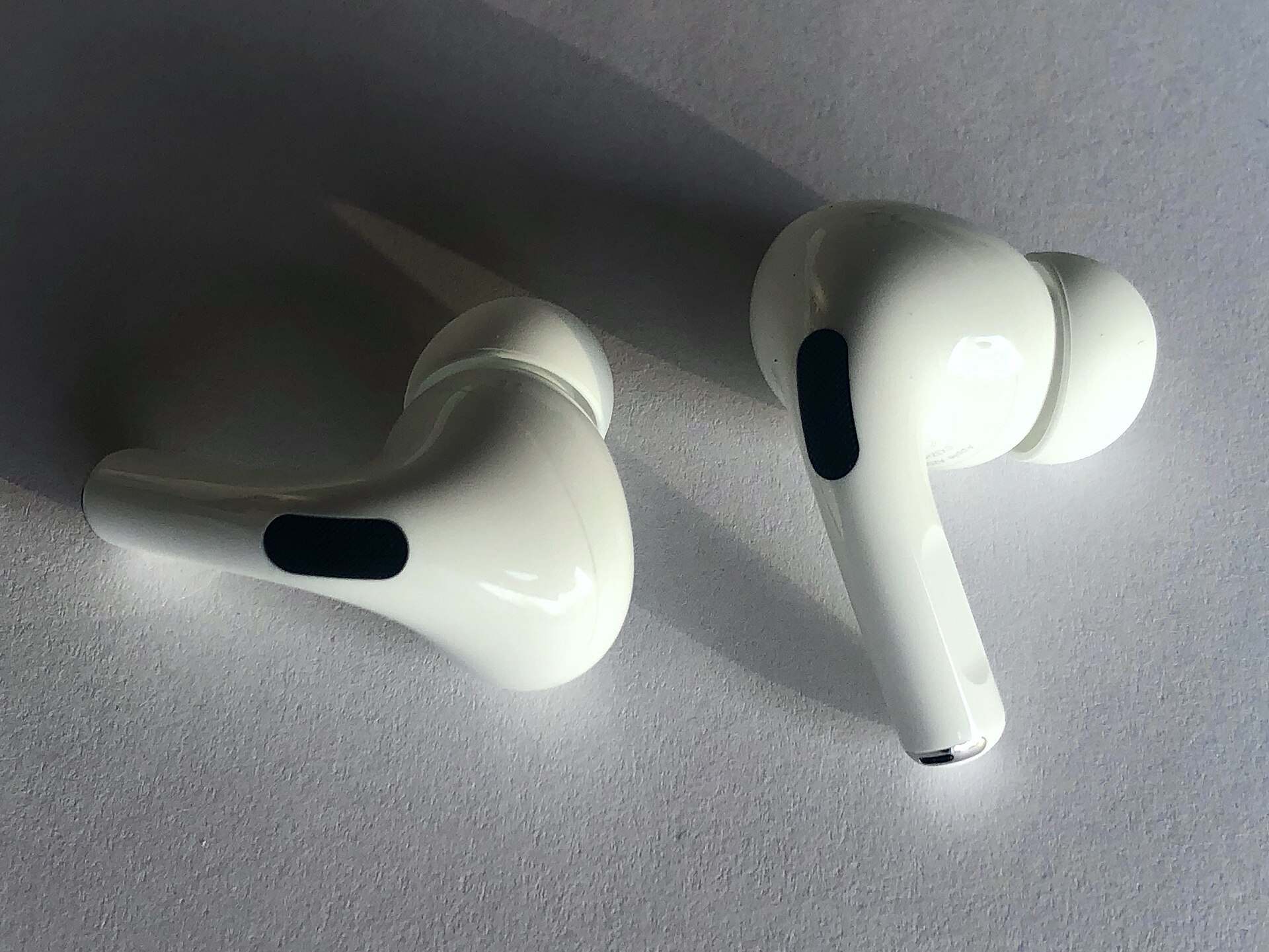
This article is an original research-based assessment rather than a hands-on listening test. We have not measured noise reduction, microphone performance, frequency response, or battery endurance. The analysis focuses on buying risks and practical fit. It covers the first generation, and the photographs should not be read as a comparison with later generations.
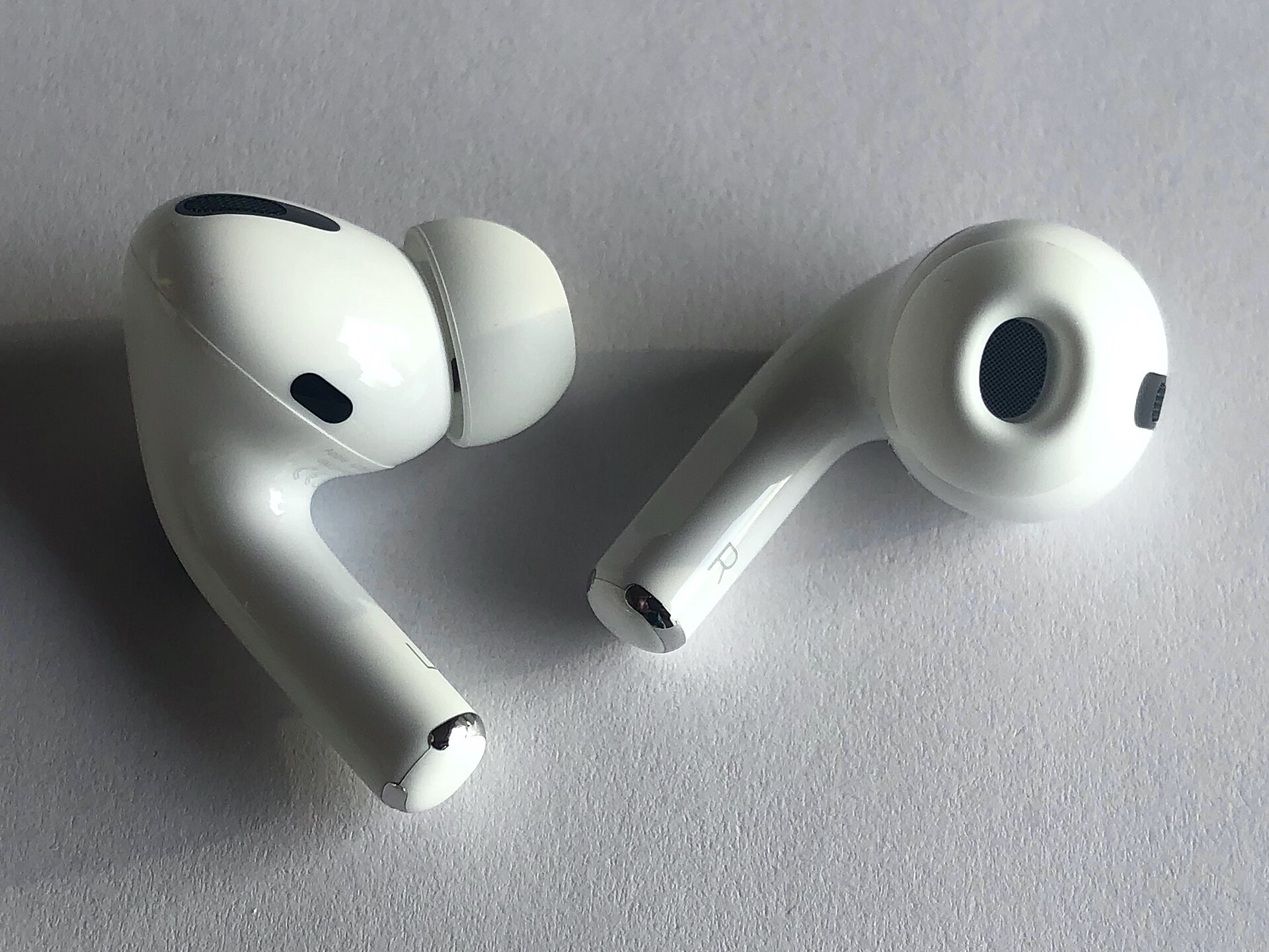
AirPods Pro 1.jpg — — aconcagua (talk) · CC BY-SA 4.0. Proportional display; no substantive edits.
Fit comes before feature lists
Silicone tips give you a way to adjust the seal, but they do not guarantee comfort. A seal that feels secure for a few minutes may become tiring during a commute. Conversely, a loose fit can undermine the isolation that makes an in-ear design useful. If possible, choose a retailer whose return terms allow you to resolve fit concerns rather than guessing from reviews.
The original model includes noise cancellation and Transparency mode. Their usefulness depends on context: a quieter train journey and awareness during a conversation are different tasks. These are features to evaluate against your own routine, not reasons to assume a particular level of performance. If calls are your main use, make trial calls in the places where you normally speak.
AirPods Pro 2.jpg — — aconcagua (talk) · CC BY-SA 4.0. Proportional display; no substantive edits.
Battery history changes the value calculation
Small rechargeable products become harder to judge as they age. A sealed box does not establish battery health, and a clean exterior does not prove that both earbuds discharge at a similar rate. Ask what the seller actually guarantees. If they provide no meaningful battery information and no practical remedy, a lower price may simply transfer the uncertainty to you.
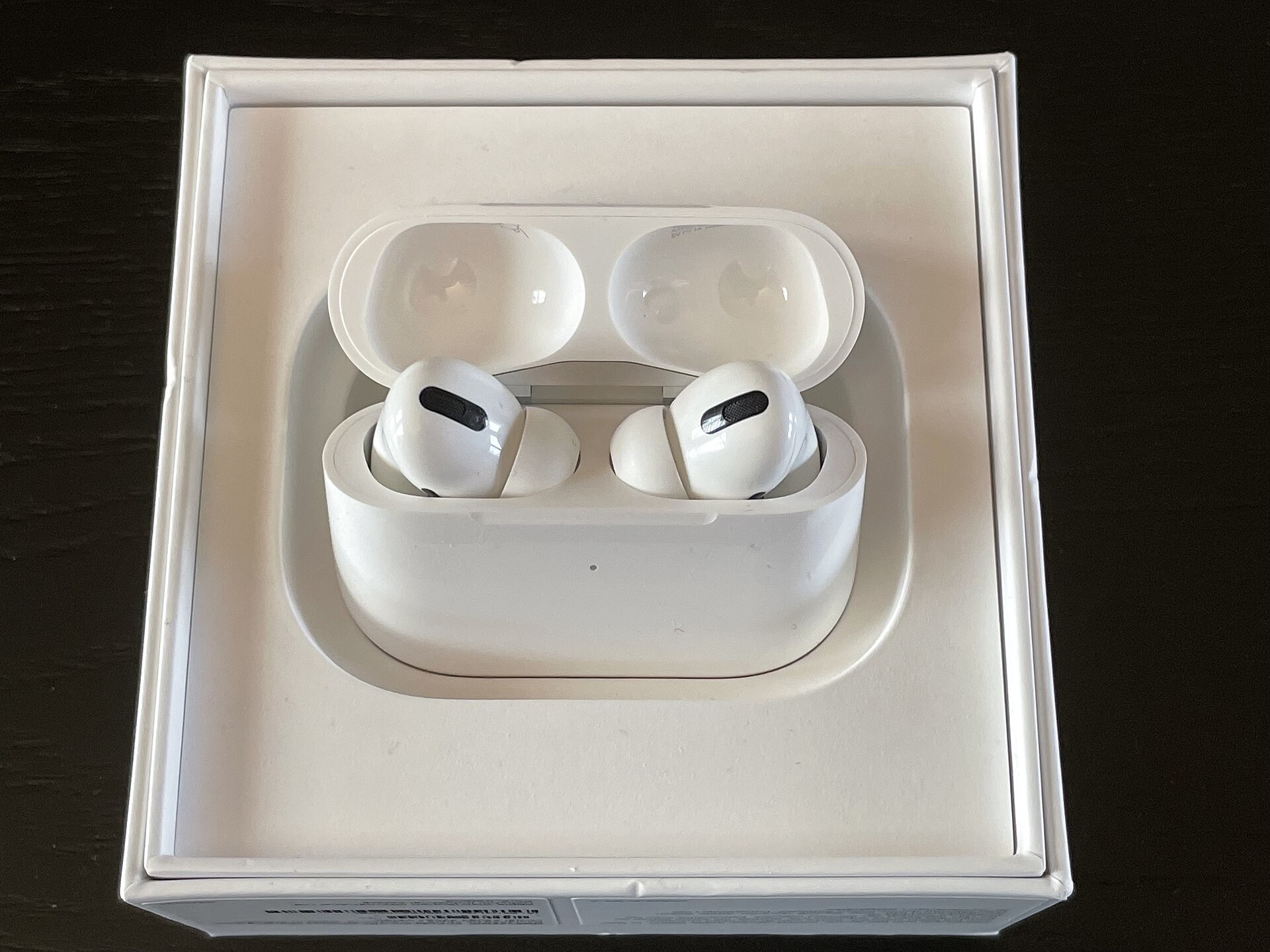
For a used pair, check cleanliness, the condition of the tips, charging behavior, and whether the case and earbuds are the expected model. Counterfeit risk is another reason to prefer traceable sellers. An identifier on its own is not a complete authenticity check. Keep the receipt and packaging, and resolve discrepancies while the return window is open.
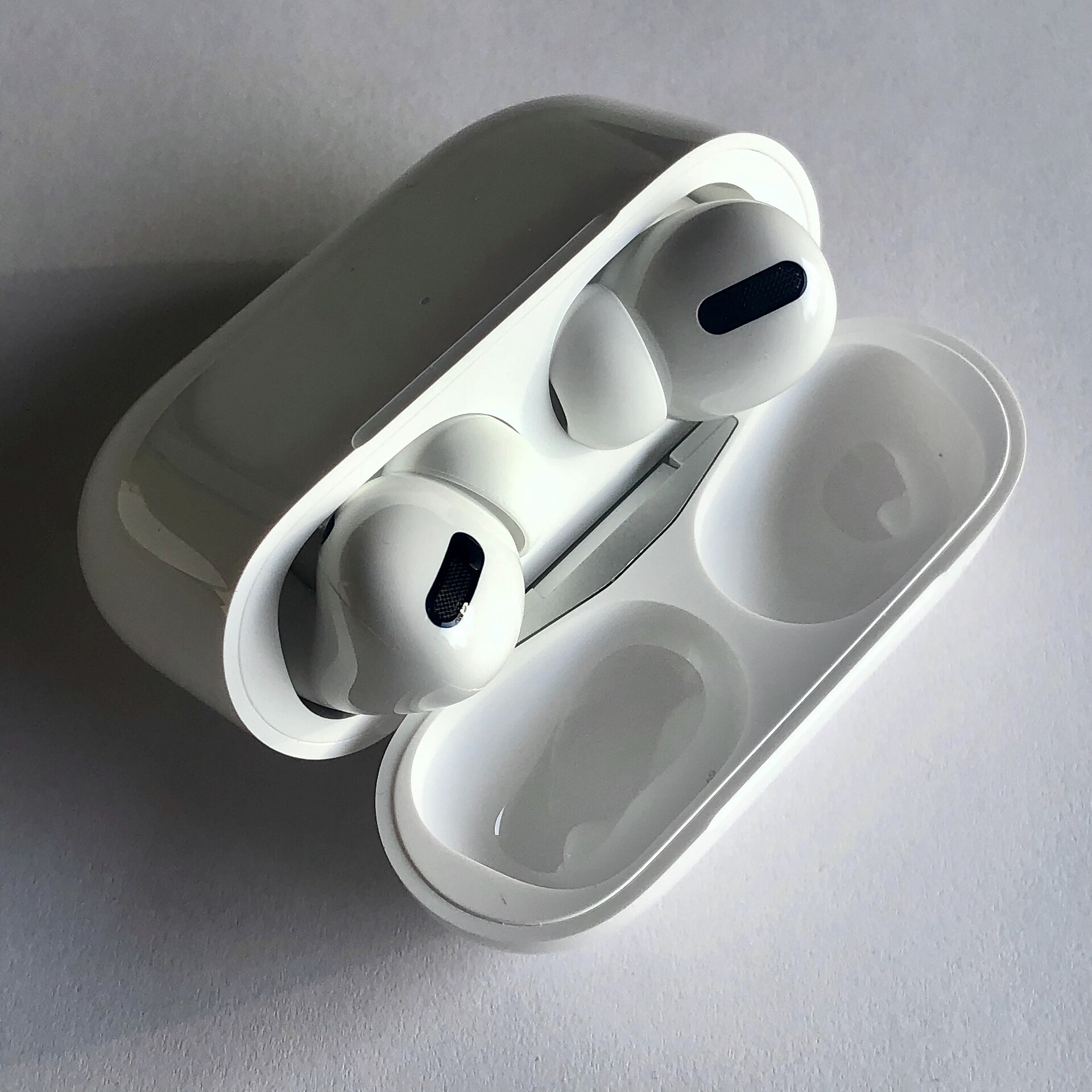
AirPods Pro case.jpg — — aconcagua (talk) · CC BY-SA 4.0. Proportional display; no substantive edits.
Who should buy them?
An older pair may suit someone who understands the first-generation feature set, has already found the fit comfortable, and can obtain a well-documented unit with strong seller support. For a first purchase, or where the price difference is small, we would compare a newer pair with a full warranty. Buyers who prioritize long sessions should be especially cautious about unknown battery condition.
Verdict
The first-generation AirPods Pro are not an automatic bargain. A trustworthy seller, usable batteries, comfortable fit, and a clear return policy are the conditions that make the purchase worth considering. If those conditions cannot be established, spending more on a better-supported alternative may be the more economical choice. Judge the pair in front of you rather than the reputation of the product at launch.
How to read this assessment
This assessment separates a published feature from an outcome we can actually verify. A specification describes an intended capability; it does not establish the quality of your particular unit, the reliability of a home network, or the comfort of a product during a long session. We have not tested a review sample, so the conclusion card deliberately leaves the overall score and its three components unassigned. This is more useful than giving an apparently precise number without measurements.
Before ordering, write down the three tasks that matter most and check each against the exact model being offered. Include the full ownership cost: essential accessories, replacement parts, power, and any recurring services. Compare products in the same condition with equivalent return protection. Save the listing and inspect the delivered item while you can still return it. A good buying decision should remain sensible when the excitement of a discount has worn off.
Our recommendation is conditional on those checks. We do not treat availability in a marketplace as evidence of ongoing manufacturer support, and we do not assume that a seller’s use of the word refurbished guarantees a particular service process. Ask for the terms in writing and compare them with the alternatives before committing.
Sources & corrections
AirPods Pro (1st generation) official documentation · consulted November 29, 2026. Specifications belong to the exact generation described. Editorial judgments are ours; no benchmarks or hands-on results are implied.
Found a detail to correct? Contact our editorial desk with the article URL and supporting evidence.